
01
Lemic302, CC0Play inside the rules
Shopee allows 2–3 contacts within 5 days. Alodi never steps outside.
Alodi messages and calls the buyer the moment a delivery fails, then hands the next shipper structured context — so the second drop lands.





return fee the seller pays on each failed order
Source: Shopee policy §7.1; ₫40,000 cap since Apr 2025 (GHN)
of orders refused at the door, nationwide
Source: VECOM, Nguoi Lao Dong, 19 Jul 2025
delivery windows a Shopee buyer can choose
Source: Shopee Help Center, article 79559
lost a month in one area of 4,000 orders a day
Source: Team cost model, PRD §18.8 (modelled)
Shopee allows 2–3 contacts within 5 days. Alodi never steps outside.
The agent asks and calls. Money and a buyer’s record go to a person.
Codex changes one thing per round. The held-out set decides.
Alodi turns a failed delivery into a confirmed next attempt. One shipper tap starts chat and voice outreach, and the next shipper gets a rule-checked card: when, where and who.
One agent with four tools runs as a state machine per order. The shipper’s tap starts it; the policy guard decides when it stops.
Turn a 74-second call into four typed fields before the shipper reaches the next stop. Every field carries its own confidence.
Quiet hours, contact caps and confidence thresholds are rules, not prompts. Anything high-stakes is routed to a person.
Browser demo today, shadow mode at one depot next, a regional on-prem gateway when the data has to stay in-house.
The shipper picks No answer, Rescheduled, or Refused. The agent does the rest.
Send two or more slots from the route planner as quick replies. Only for risky orders: high COD, past failures.
Chat goes out the moment the shipper taps. 60 minutes of silence triggers call one, two hours later call two. Calls only 08:00–20:30.
Buyer rescheduled on the phone? The shipper repeats it aloud; speech-to-text turns it into structured data.
Window, drop-off, alternate receiver, address fix: each field is JSON with a confidence score. Low confidence goes to a person.
Quiet hours, contact caps, “stop” means stop, recording consent before every call.
Versioned context with an audit log: who changed what, and when, across agent, buyer, shipper and CS.
Never spend effort calling a buyer who refused at the door. A “suspected bomb” label is only a suggestion; a person approves it.
GPT-6.1 Terra runs the agent in the middle. The carrier keeps every system it already has.
Source: PRD §16, §16.7, §18.8. The demo runs the same shape on the OpenAI API, SQLite and mock data.


No form to fill, no extra step. The next attempt simply knows when, where and who.
Source: Team cost model, PRD §18.8, best-in-class rescue 25% → 65% (Shipsy vendor range); time-to-context target, PRD §2.3.
GPT-Live-1 talks to the buyer, GPT-6 Luna triages through the Decisions API, GPT-6.1 Terra orchestrates. Codex builds it.
 PhoWhisper
Source: ClickPost NDR Management and Parth (Angel One); Shipsy NDR guide and last-mile page; AfterShip exception agent; Ringg AI failed-delivery recovery; Shiprocket contact-buyer docs; GHTK scheduled delivery. Vendor figures are self-reported. “Not disclosed” means we found nothing on the official pages as of October 2026.
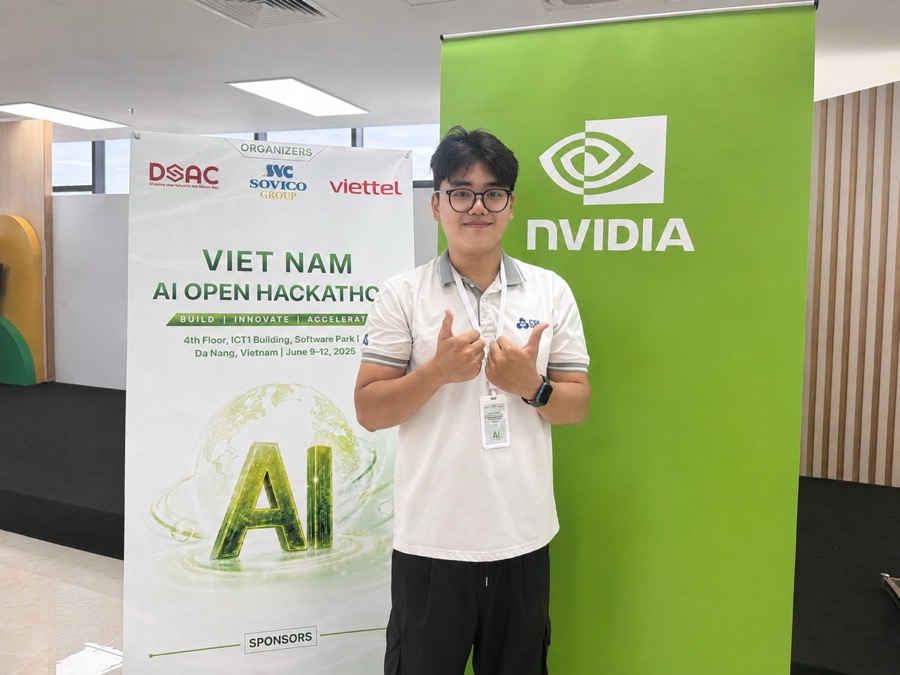
Four builders from UTS × HCMUT.


One shipper tap, one well-timed conversation, one context card for the next attempt.